Surabaya Interior Design: Design-Build Procurement and Lead-Time Planning

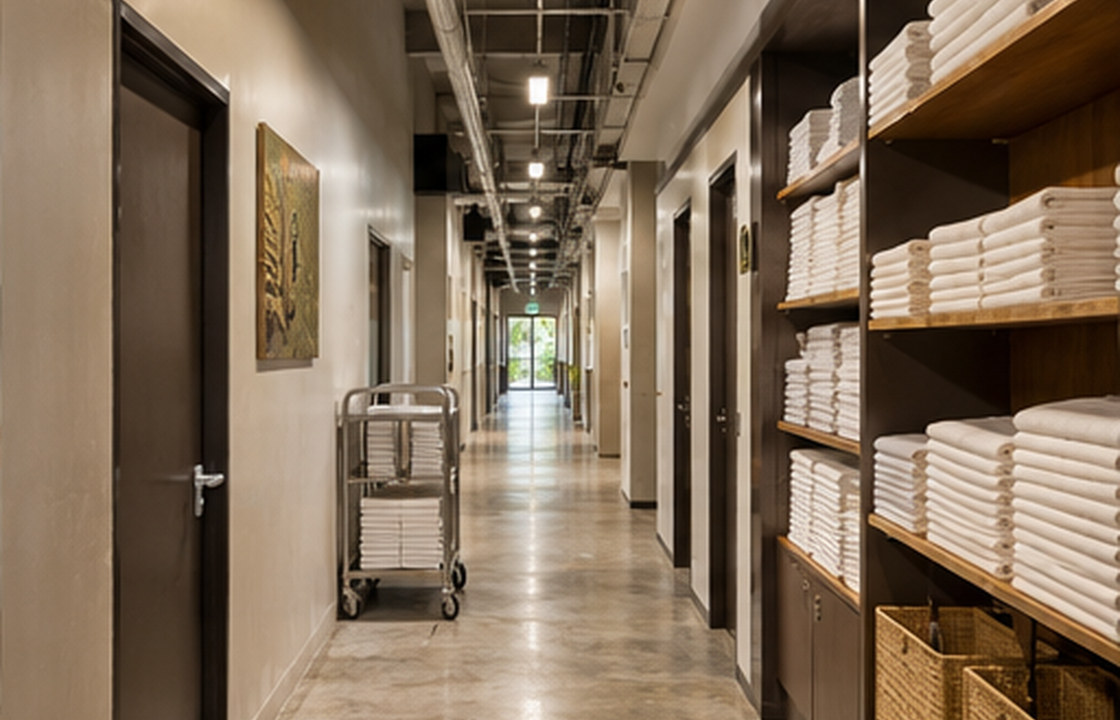
Conceptual editorial photograph. Not a documented SATU client project.
Interior programmes slip when design approvals and procurement are treated as separate conversations. The practical approach is to review the real site, test daily use, resolve materials and services, and document decisions before procurement or construction.
Key takeaways
- Connect design decisions to orders
- Track long-lead items early
- Do not purchase from unverified measurements
- Document every substitution
Start with the real site and brief
Interior programmes slip when design approvals and procurement are treated as separate conversations. A Surabaya fit-out can depend on custom joinery, specialist lighting, imported finishes and landlord access windows. The right schedule starts with what must be decided before any item can be ordered or fabricated.
Interior delivery works best when information is traceable. A decision should identify the proposed outcome, the evidence behind it, the person approving it and the impact on cost, programme or maintenance. This is just as important for a private home as for a commercial fit-out.
Plan the space before the finishes
Create a procurement matrix listing each item, approved specification, supplier, lead time, sample status, deposit, installation dependency and fallback. Identify long-lead products early, but do not order them before dimensions and technical compatibility are confirmed. Match site milestones to delivery readiness instead of using a single hoped-for opening date.
A plan should be discussed as a sequence of everyday activities, not only as a static drawing. Before approving it, ask what the user will be carrying, where doors and drawers will open, and which paths become crowded at the busiest time. A simple on-site walk-through or full-size mock-up often exposes conflicts earlier than a polished rendering.
Make material choices work long term
Plan storage and handling for fragile glass, stone, cabinetry and electronics. Check whether materials can be delivered through the building’s service route and protected until installation. Agree how substitutions will be presented and approved so rushed choices do not undermine the design.
For every proposed finish or fixture, compare appearance with cleaning, access, replaceability and exposure to heat or moisture. A durable detail is one the operator can maintain after handover; a specification is incomplete if it identifies the colour but not the construction, junctions or upkeep.
Coordinate the detailed decisions
Designers, procurement teams, contractors and clients should share a decision log. The contract needs clear responsibility for ordering, inspection, damage, rework and warranty documents. Coordinate building work schedules and permits as early as the major purchase dates.
Responsibilities and sign-offs should be agreed in the contract and checked against applicable site and building requirements. A checklist supports communication but is not a substitute for professional inspection or technical certification.
A realistic design scenario
If custom lighting requires a longer lead time than ceiling works, approve the fixture geometry and connections early and reserve the installation opening. A late product change may otherwise require ceiling rework.
Use the scenario as a test rather than a prescribed answer. Compare at least two workable alternatives and write down what each changes: movement, daylight, privacy, material cost, cleaning effort and future adaptability. That makes the final decision easier to explain to people who were not present during the design discussion.
Common mistakes and trade-offs
Ordering before final measurements can create costly waste; ordering too late can stop the work. The solution is not blanket early purchasing but staged approvals tied to verified information.
Trade-offs should be made visible in drawings and the decision log. For example, an attractive element may be retained while changing its size, position or material so that the room becomes easier to use. Record which objectives are essential, which are desirable and which can be deferred when cost or site conditions change.
On-site decision checklist
- List long-lead and critical-path items
- Tie purchases to approved drawings and samples
- Check delivery dimensions and storage conditions
- Maintain a clear substitutions approval record
- Assign responsibility for damage and warranties
Questions to include in your project brief
Before commissioning a detailed design, share the location, approximate area, photographs, available plans, intended users, priorities and budget range. Explain what is not working today and what success should look like after occupation. This is more useful than beginning with a list of favourite styles alone.
For this particular brief, bring the checklist above to the site visit and identify any unknown dimensions or technical conditions. Separate immediate decisions from items that need specialist verification. The resulting scope should spell out proposed drawings, approvals, procurement responsibilities and the expected delivery route.
Frequently asked questions
What is a procurement schedule for interiors?
A list of purchasing decisions, lead times, approvals and delivery dependencies aligned with the construction programme.
Should all finishes be bought at project start?
Usually not. Order timing should follow verified dimensions, approved samples, storage conditions and lead times.
How should substitutions be handled?
Record the proposed alternative, reasons, performance, visual effect, cost and programme impact, then obtain the relevant approval.
Good design is a sequence of well-informed decisions, not only a final image.
If you are planning design-build procurement and lead-time planning in Surabaya, use these notes to organise the first conversation. You can review service scopes or discuss your actual site and priorities before final commitments are made.