Surabaya Interior Design: Quieter Bedrooms Near Busy Streets
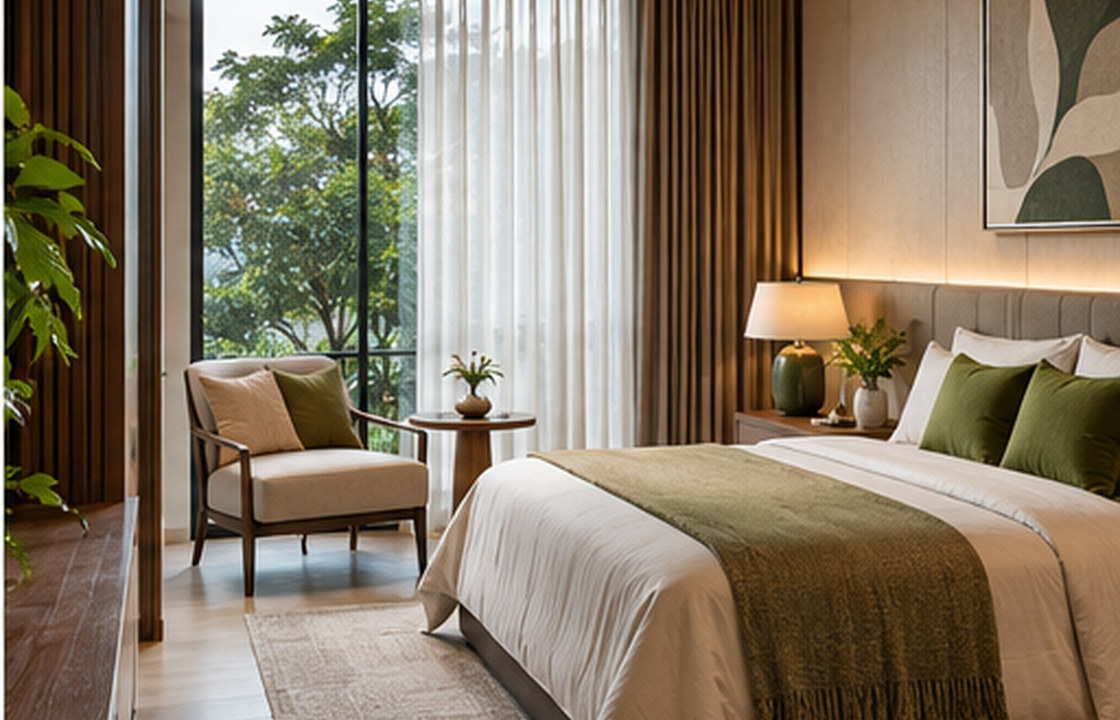
Conceptual editorial photograph. Not a documented SATU client project.
Bedrooms near major Surabaya roads may experience traffic noise, bright exterior lighting and heat from exposed façades. The practical approach is to review the real site, test daily use, resolve materials and services, and document decisions before procurement or construction.
Key takeaways
- Find the noise path before buying finishes
- Treat windows, doors and equipment together
- Use layered light for rest
- Set realistic acoustic objectives
Start with the real site and brief
Bedrooms near major Surabaya roads may experience traffic noise, bright exterior lighting and heat from exposed façades. Acoustic comfort starts with the building envelope and room placement, not only with decorative soft furnishings. An interior brief should distinguish airborne noise, vibration, cooling equipment and sound that travels through doors.
Good residential design does not begin with a universal style. It begins with the people who live in the space, their routines, the building's existing limitations and how the rooms may need to change over time. A workable proposal describes the purpose of each room and the compromises that have been consciously accepted.
Plan the space before the finishes
Position the bed away from the noisiest wall where possible and consider placing wardrobes or a dressing zone between the bedroom and exterior or shared corridor. Review window condition, door gaps and mechanical ventilation before deciding which acoustic upgrades are worthwhile. Heavy curtains can affect reverberation and light but do not replace properly sealed glazing.
A plan should be discussed as a sequence of everyday activities, not only as a static drawing. Before approving it, ask what the user will be carrying, where doors and drawers will open, and which paths become crowded at the busiest time. A simple on-site walk-through or full-size mock-up often exposes conflicts earlier than a polished rendering.
Make material choices work long term
Quiet air-conditioning matters as much as window performance. Coordinate the indoor unit location, condensate route, service access and sound from outdoor equipment with the mechanical specialist. Use dimmable bedside light, blackout layers and low-glare circulation lighting to support rest.
For every proposed finish or fixture, compare appearance with cleaning, access, replaceability and exposure to heat or moisture. A durable detail is one the operator can maintain after handover; a specification is incomplete if it identifies the colour but not the construction, junctions or upkeep.
Coordinate the detailed decisions
First identify the main noise path by listening at different times. If leakage comes through a corridor door, upgrading windows may not address the issue. Make any changes to façade openings or building elements only after checking ownership and building permissions.
Where structural, electrical, plumbing or façade changes are involved, check the scope with competent professionals and the relevant owner or building authority. General design guidance should not be treated as a technical approval for a particular property.
A realistic design scenario
A bedroom overlooking a busy approach road might benefit more from sealing an ill-fitting sliding window and relocating an air-conditioning grille than from adding thick decorative upholstery throughout the room. The sequence should follow evidence from the site.
Use the scenario as a test rather than a prescribed answer. Compare at least two workable alternatives and write down what each changes: movement, daylight, privacy, material cost, cleaning effort and future adaptability. That makes the final decision easier to explain to people who were not present during the design discussion.
Common mistakes and trade-offs
Do not promise a completely silent room based on fabric choices alone. Acoustics involve multiple paths, and treating one surface can leave another dominant. Agree a practical comfort objective and consult an acoustic professional where the exposure is significant.
Trade-offs should be made visible in drawings and the decision log. For example, an attractive element may be retained while changing its size, position or material so that the room becomes easier to use. Record which objectives are essential, which are desirable and which can be deferred when cost or site conditions change.
On-site decision checklist
- Listen and record noise at relevant hours
- Inspect window, wall and door gaps
- Check fan and air-conditioner noise and service routes
- Plan blackout control without obstructing ventilation
- Discuss realistic acoustic outcomes with the design team
Questions to include in your project brief
Before commissioning a detailed design, share the location, approximate area, photographs, available plans, intended users, priorities and budget range. Explain what is not working today and what success should look like after occupation. This is more useful than beginning with a list of favourite styles alone.
For this particular brief, bring the checklist above to the site visit and identify any unknown dimensions or technical conditions. Separate immediate decisions from items that need specialist verification. The resulting scope should spell out proposed drawings, approvals, procurement responsibilities and the expected delivery route.
Frequently asked questions
Do acoustic curtains block traffic noise?
They can help with light control and some room reflections, but they are rarely a substitute for a well-sealed window assembly when traffic sound is entering from outside.
Where should the bed go in a noisy apartment?
Consider placing its headboard away from the main noise path while preserving safe circulation and access to controls.
When is an acoustic consultant useful?
When traffic, equipment or neighbouring occupancy makes the noise problem substantial or difficult to diagnose.
Good design is a sequence of well-informed decisions, not only a final image.
If you are planning quieter bedrooms near busy streets in Surabaya, use these notes to organise the first conversation. You can review service scopes or discuss your actual site and priorities before final commitments are made.