Surabaya Interior Design
From Destinations to Living Environments: The Future of Hospitality Design
Hospitality design is changing dramatically. In 2026, hotels, resorts, cafés, mixed-use developments, and lifestyle destinations are no longer designed only as places to visit—they are designed as places to live within, emotionally and socially. Interior Design Surabaya
Travelers today move fluidly between work, leisure, wellness, and social connection. A hotel lobby becomes a co-working lounge. A café functions as a creative workspace. A resort transforms into a wellness retreat and cultural experience. Hospitality spaces are evolving into immersive ecosystems where people gather, recharge, connect, and belong.
In Surabaya, this shift is becoming increasingly visible. From the commercial energy of Tunjungan and Darmo to the lifestyle-driven developments of West Surabaya, hospitality environments are becoming more layered, flexible, and experience-led. Guests and users are no longer searching only for luxury—they are searching for emotional comfort, authenticity, and meaningful interaction.
This is how our firm approaches Surabaya interior Design—through a hospitality-driven lens that blends lifestyle, wellbeing, functionality, and emotional connection into immersive living environments. Hospitality today is not simply about accommodation. It is about creating spaces people genuinely want to inhabit—ruang yang terasa hidup dan manusiawi.
The Shift from Destination to Living Environment
Traditional hospitality once focused primarily on temporary stays. Today, hospitality spaces are expected to support multiple layers of modern life simultaneously.
Hotels are becoming:
- Social hubs
- Flexible workspaces
- Wellness environments
- Community destinations
- Cultural experiences
This transformation reflects broader lifestyle shifts:
- Hybrid work culture
- Wellness-focused living
- Digital mobility
- Experience-led travel behavior
In Surabaya, where business travel increasingly intersects with lifestyle hospitality, spaces must now accommodate guests who may work remotely in the morning, socialize in the afternoon, and seek relaxation by evening.
This evolution is redefining Surabaya interior Design as something more fluid and human-centered—bukan sekadar tempat menginap, tapi tempat untuk merasa terhubung.
Hospitality Design in the Experience Economy
Luxury is no longer defined purely by visual grandeur. Today’s guests value:
- Emotional connection
- Personalization
- Authenticity
- Atmosphere
- Memorable experiences
Hospitality design now prioritizes how spaces make people feel rather than simply how they look.
This means designing environments that:
- Engage the senses
- Encourage interaction
- Create emotional comfort
- Reflect local culture and identity
In modern hospitality, storytelling becomes spatial. Materials, lighting, scent, acoustics, and circulation all contribute to a layered guest experience.
The most successful hospitality environments feel immersive, intuitive, and emotionally restorative—ada rasa yang sulit dijelaskan, tapi terasa nyaman.
The Blurring of Hospitality, Residential & Workplace Design
One of the most important shifts in hospitality design is the merging of traditionally separate sectors.
Today we see:
- Hotels inspired by residential warmth
- Offices designed like hospitality lounges
- Branded residences with hotel-style amenities
- Multifunctional social spaces blending work and leisure
This blending reflects how people increasingly expect environments to support flexibility and comfort simultaneously.
In Surabaya interior Design, this means creating spaces that feel:
- Relaxed yet sophisticated
- Functional yet emotionally engaging
- Social yet private when needed
Hospitality environments must now adapt fluidly throughout the day, responding to evolving patterns of behavior rather than rigid functions.
Designing for Wellness & Human Connection
Wellbeing has become central to hospitality design.
Today’s guests are increasingly aware of how environments affect mood, energy, stress, and emotional wellbeing. As a result, hospitality spaces must support:
- Mental restoration
- Physical comfort
- Social interaction
- Sensory calmness
This is achieved through:
- Natural light integration
- Biophilic design and greenery
- Tactile materials and warm textures
- Acoustic comfort
- Indoor-outdoor transitions
- Wellness-focused amenities
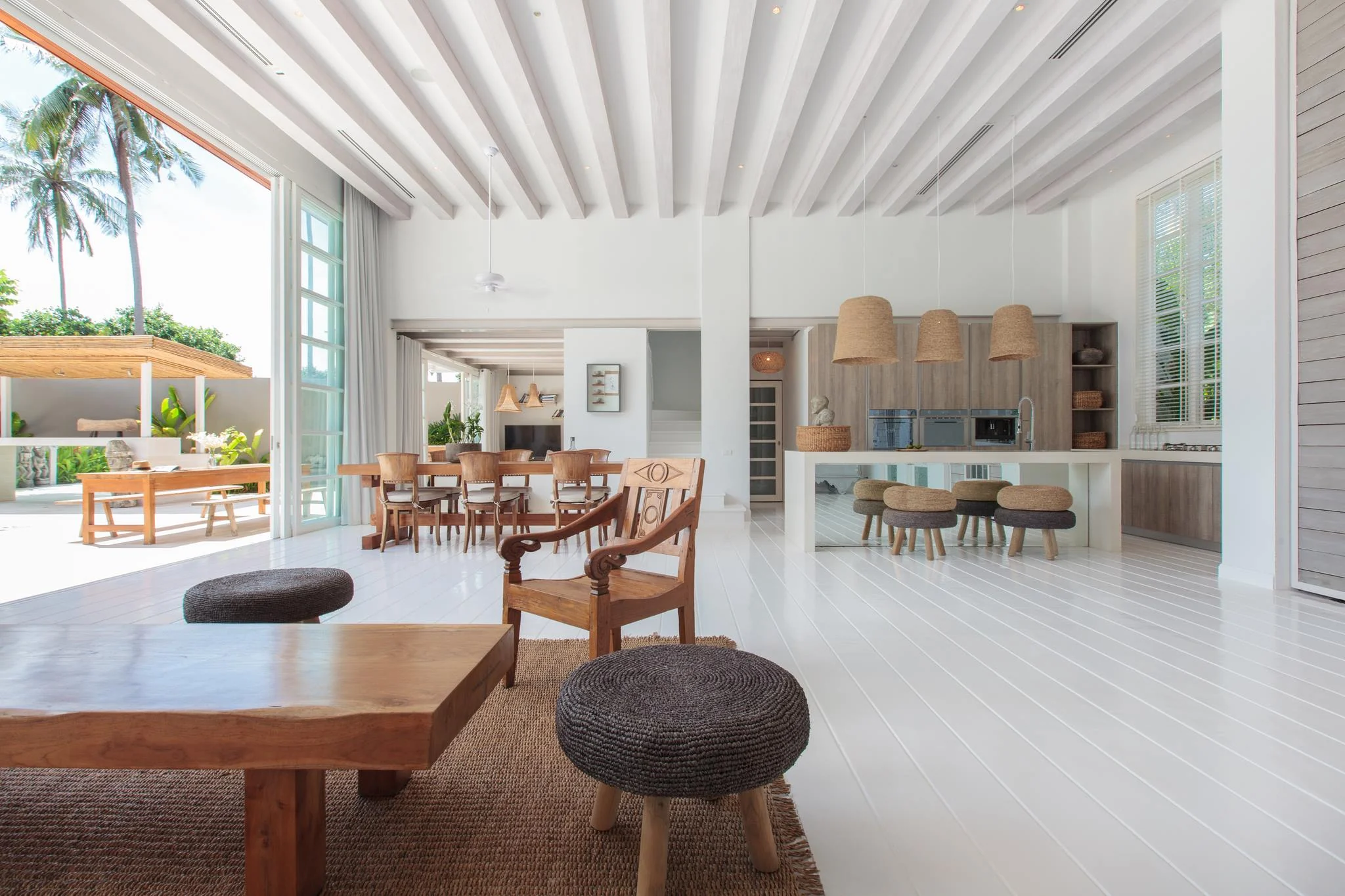
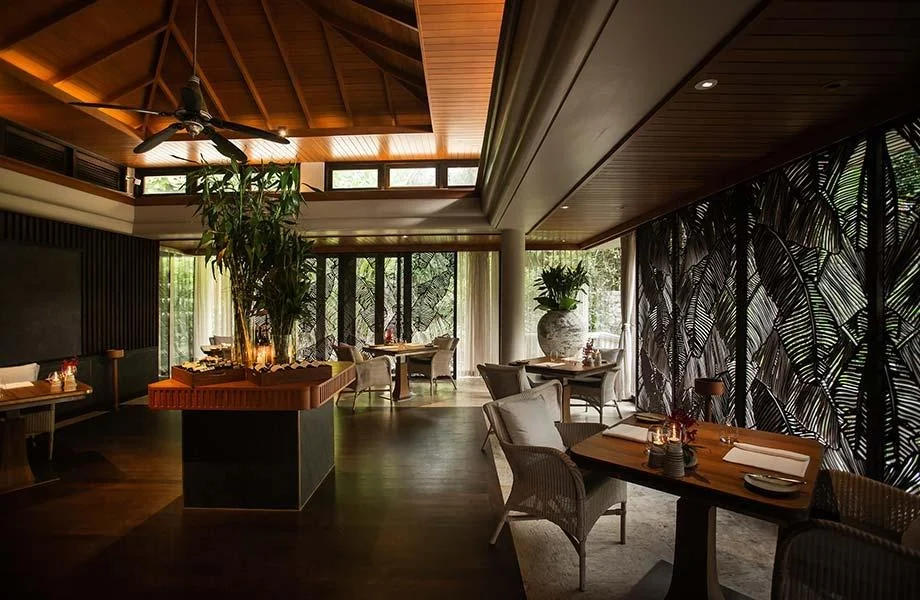
In tropical cities like Surabaya, openness and airflow become particularly important. Natural ventilation, shaded outdoor spaces, and material choices that feel breathable contribute to environments that feel emotionally lighter and healthier—lebih segar dan nyaman untuk ditinggali.
Technology & the Future Guest Experience
Technology is reshaping hospitality rapidly, but the future is not about replacing human experience—it is about enhancing it seamlessly.
Modern hospitality environments increasingly integrate:
- Smart room systems
- Digital concierge experiences
- Personalized guest preferences
- AI-supported operational efficiency
- Data-informed spatial planning
However, technology must remain invisible and intuitive. The goal is not to create cold digital environments, but smoother and more personalized guest experiences.
The future of hospitality lies in balancing technological sophistication with emotional warmth and human-centered interaction.
Designing Hospitality Spaces in Surabaya
Surabaya presents a unique hospitality context shaped by:
- Growing business travel
- Expanding lifestyle culture
- Tropical climate conditions
- Mixed-use urban development
- Increasing demand for experience-driven environments
Designing hospitality spaces here requires sensitivity to:
- Cross ventilation and openness
- Indoor-outdoor transitions
- Durable tropical material strategies
- Flexible social spaces
- Local cultural warmth and hospitality values
In districts such as West Surabaya and Tunjungan, there is growing demand for environments that feel globally sophisticated while remaining deeply welcoming and locally grounded—modern tapi tetap hangat dan membumi.
Our Hospitality Design Approach
Every hospitality project begins with understanding human experience.
Our methodology includes:
Concept Strategy
Defining the emotional identity and hospitality narrative
Guest Journey Mapping
Designing experiences from arrival to departure
Spatial Planning
Balancing functionality, flexibility, and atmosphere
Material & Lighting Curation
Shaping mood through tactile and sensory experiences
Operational Understanding
Ensuring seamless guest flow and long-term efficiency
Execution & Styling
Refining every detail to align design intent with reality
This holistic approach ensures that every Surabaya interior Design project feels immersive, timeless, and deeply people-centered.
Our Perspective
At our firm, we believe hospitality design is no longer about creating destinations alone. It is about creating living environments.
The future of hospitality lies in spaces that:
- Encourage belonging
- Support wellbeing
- Blend flexibility with emotional comfort
- Create meaningful social interaction
- Remain relevant beyond trends
This is what defines our approach to Surabaya interior Design—hospitality spaces designed around people, atmosphere, and lasting emotional connection.
Rethink Hospitality Beyond Traditional Models
Hospitality is evolving faster than ever. Guests no longer seek spaces that simply function—they seek spaces that feel alive, immersive, and emotionally meaningful.
If you are a hotel owner, developer, operator, or hospitality brand in Surabaya, now is the time to rethink hospitality beyond conventional models.
Let’s create environments where hospitality, lifestyle, wellness, and human connection intersect—spaces designed not only to be visited, but truly experienced.
Connect with us in