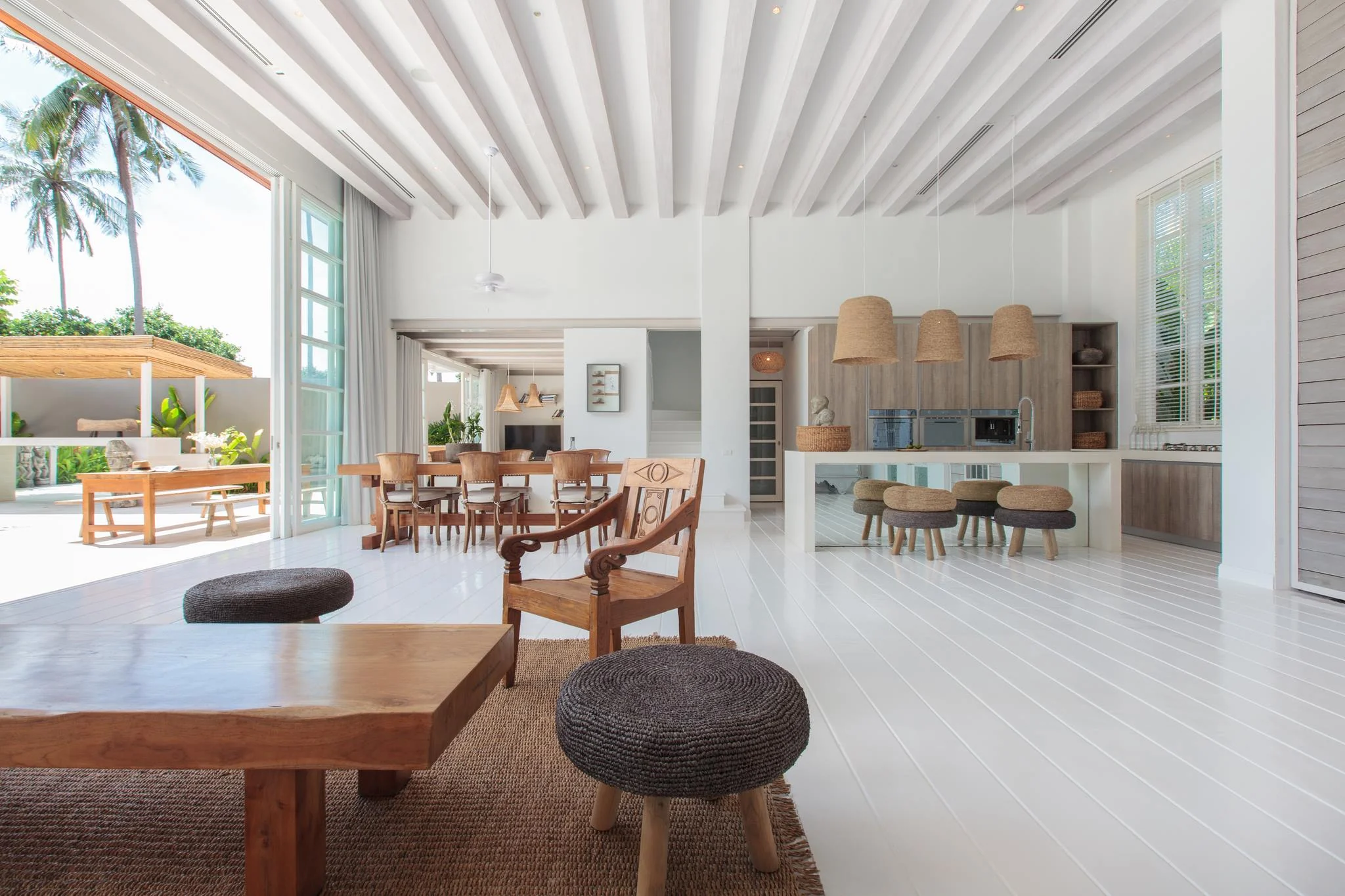
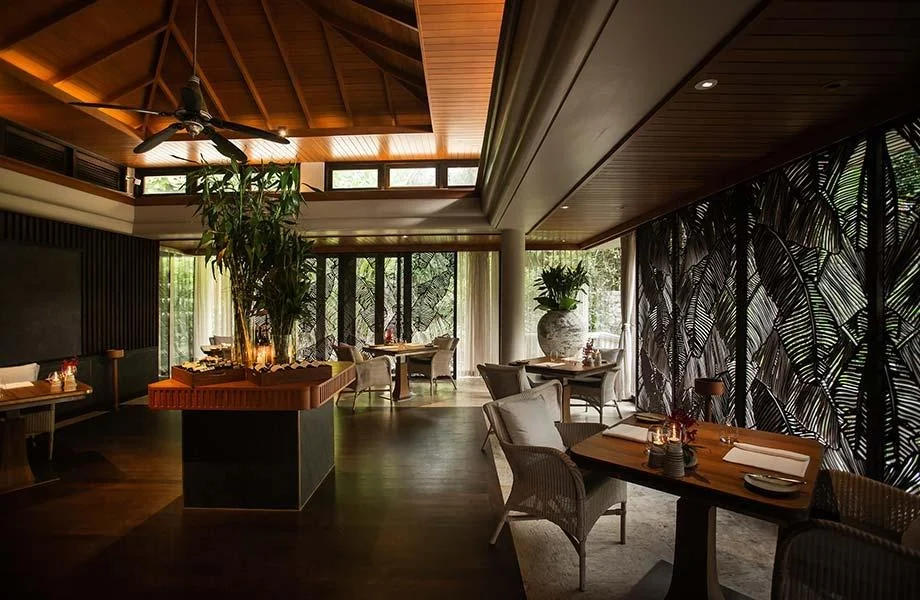
Surabaya Interior Design | Workplace, Hospitality & Retail Specialists
Surabaya is evolving—fast. As Indonesia’s second-largest city and a key commercial gateway to Eastern Indonesia, it is experiencing a dynamic transformation shaped by business expansion, retail innovation, and lifestyle-driven development. From the bustling corridors of Tunjungan and Darmo to the rapidly growing West Surabaya districts, the city reflects a powerful blend of tradition and modern ambition—kota yang terus berkembang.Interior Design Surabaya
With new mixed-use developments, office towers, lifestyle malls, and hospitality destinations emerging, the demand for thoughtful, strategic design has never been greater. Surabaya interior design today is no longer just about aesthetics—it is about creating environments that perform, connect, and inspire across multiple sectors.
Understanding Surabaya’s Commercial Landscape
Surabaya’s economic growth is driven by trade, manufacturing, and an increasingly vibrant service sector. Retail remains deeply influenced by mall culture, where destinations like Pakuwon Mall and Tunjungan Plaza act as social hubs as much as shopping centers. According to global retail insights, successful shopping destinations are shifting toward experience-led environments—where dining, entertainment, and community engagement are just as important as retail transactions.
At the same time, workplace expectations are evolving. Businesses are moving toward more flexible, collaborative office environments that reflect global work culture trends while accommodating local working styles—kerja bareng tapi tetap nyaman. Meanwhile, the hospitality sector continues to expand, catering to both domestic and international travelers seeking meaningful, localized experiences.
This convergence of sectors creates a unique opportunity—and challenge—for design.
Designing Across Sectors: A Strategic Approach
Multi-sector interior design requires more than versatility; it demands a deep understanding of how people behave differently in each environment.
Workplace: Designing for People and Performance
In office environments, design is a tool for productivity and wellbeing. Today’s workplaces in Surabaya are shifting toward activity-based working models, where employees move fluidly between collaborative zones, quiet areas, and social spaces.
Key strategies include:
- Flexible layouts that support hybrid work styles
- Natural lighting and biophilic elements to enhance wellbeing
- Ergonomic furniture and acoustic planning for comfort
- Social hubs that foster collaboration and company culture
The goal is simple: create spaces where people feel energized, focused, and connected—tempat kerja yang bikin betah.
Hospitality: Crafting Memorable Experiences
In hospitality design, emotion takes center stage. Hotels, resorts, and leisure spaces must tell a story—one that resonates with guests from the moment they enter.
Design priorities include:
- Strong narrative concepts that reflect brand identity and local culture
- Seamless guest journeys from arrival to departure
- Sensory engagement through lighting, materials, and spatial transitions
- Operational efficiency for staff and service delivery
In Surabaya, this often means blending contemporary luxury with subtle local references—textures, patterns, or materials that feel familiar yet refined.
Retail: Designing for Engagement and Conversion
Retail environments are no longer just places to shop—they are destinations to अनुभव, explore, and connect. With competition intensifying, design plays a critical role in attracting footfall and driving sales.
Effective retail design focuses on:
- Strategic spatial planning to guide customer flow
- Visual merchandising that captures attention instantly
- Experiential zones that encourage interaction
- Integration of digital technology for omnichannel engagement
In Surabaya’s mall-driven ecosystem, where shoppers seek both convenience and experience, this approach is essential.
The Power of Cross-Sector Design Thinking
What sets a multi-sector design firm apart is the ability to transfer ideas across industries.
Hospitality principles—such as comfort, service flow, and emotional engagement—can transform workplaces into more human-centered environments. Retail storytelling techniques can enhance brand identity in office and hospitality spaces. Workplace strategies around flexibility and efficiency can improve operational performance in hotels and retail.
This cross-pollination creates spaces that are not only functional but also dynamic, engaging, and future-ready.
Our Design Process: From Vision to Reality
At our firm, every project begins with a deep understanding of context—business goals, user needs, and the unique character of Surabaya.
Our process includes:
1. Strategic Concept Development
We define the design vision, aligning it with brand identity and market positioning.
2. Spatial Planning & Flow
We organize space to optimize movement, functionality, and experience.
3. Material & Lighting Strategy
We curate materials and lighting to create atmosphere, durability, and visual impact.
4. Visualization & Technical Documentation
We translate ideas into detailed drawings and immersive visuals.
5. Construction Coordination
We ensure that design intent is executed seamlessly on site.
Throughout this process, we focus on key elements such as acoustic comfort, ergonomic planning, and technology integration—ensuring every space performs as beautifully as it looks.
Designing with Local Insight
Great design in Surabaya must feel both global and local. It should reflect the city’s climate, culture, and rhythm of life.
This means:
- Using materials suited to tropical conditions
- Incorporating local craftsmanship and textures
- Designing for social interaction, which is central to Indonesian culture
- Responding to economic realities and business needs
By grounding design in local context—rasa lokal yang kuat—we create spaces that feel authentic and relevant.
Creating Measurable Impact
Interior design is not just about visual appeal—it is a business tool.
Well-designed spaces can:
- Increase employee productivity and retention
- Strengthen brand perception and customer loyalty
- Boost retail sales and foot traffic
- Enhance guest satisfaction and repeat visits
In a competitive market like Surabaya, these outcomes are critical for long-term success.
A Trusted Partner for Surabaya’s Future
As Surabaya continues to grow, the need for intelligent, adaptable design will only increase. Our firm brings deep expertise across workplace, hospitality, and retail sectors—delivering spaces that are not only visually compelling but strategically designed to perform.
Through a thoughtful, integrated approach, Surabaya interior design becomes more than a service—it becomes a catalyst for business success, cultural expression, and human connection.
Because in the end, great design is not just seen—it is felt.
Connect with us in