For homeowners planning comfortable spaces in tropical East Java, the priority is tropical daylight without excess heat with a clear brief, workable details and an agreed review process. Start with the actual site and users, then confirm deliverables before committing to execution.
For homeowners planning comfortable spaces in tropical East Java, the priority is tropical daylight without excess heat with a clear brief, workable details and an agreed review process. Start with the actual site and users, then confirm deliverables before committing to execution. This guide discusses tropical daylight without excess heat in the context of Surabaya, including what the client should prepare, which decisions need collaboration and how to assess the outcome before approving the next stage.
Start with the real project brief
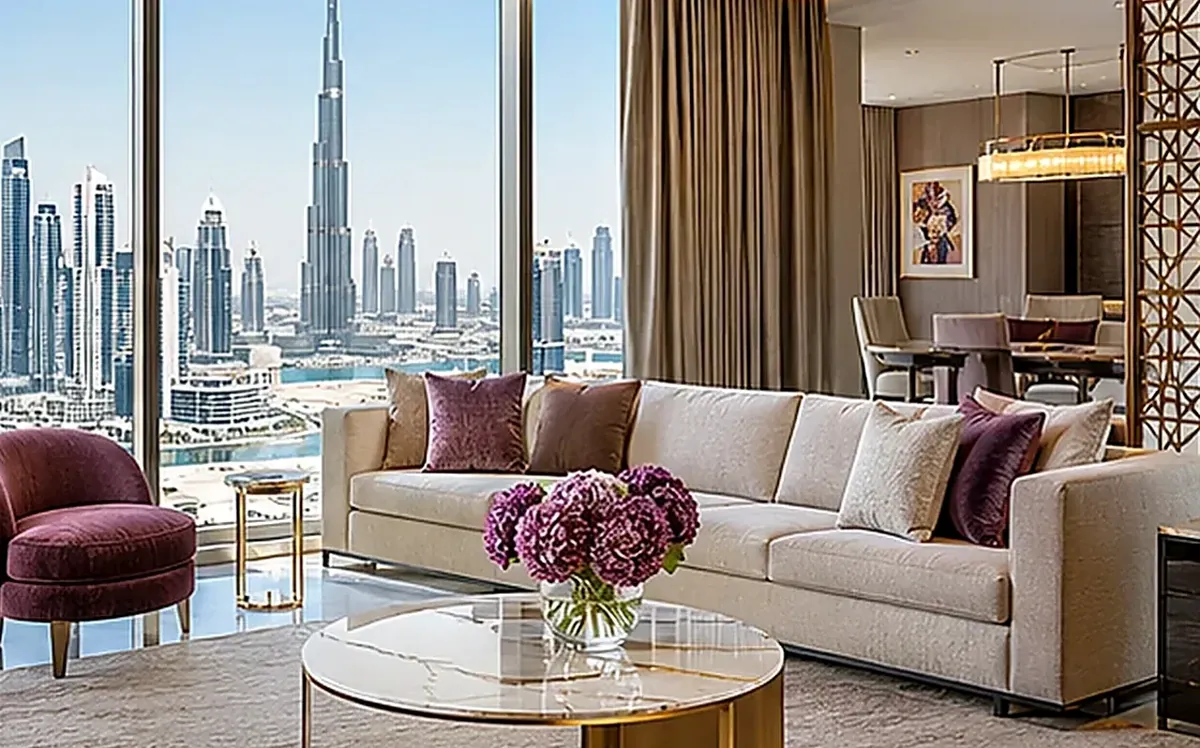
Surabaya daylight can be beautiful and demanding at the same time. Large glazed rooms may overheat in the afternoon, while deep interiors can remain too dark. A responsible design response combines orientation, shading, lighting and real user activity rather than relying on pale paint alone.
What to evaluate before choosing a direction
Observe solar exposure by time of day, particularly west-facing windows. Record glare on screens, heat near seating and the relationship between operable windows and building rules. Identify rooms that need privacy after dark without losing all daylight during working hours.
Practical design decisions for Surabaya
Layer curtains, blinds, external shading where permitted, and task lighting. Choose finishes that diffuse light without creating harsh reflections. Place workstations and televisions with sightlines in mind and avoid letting a dramatic window wall dictate every furniture position.
How to coordinate the work
Coordinate proposed shading and lighting with the electrical and HVAC plan. Select accessible components for cleaning and replacement. If changes to the envelope or mechanical systems are proposed, arrange qualified technical review and obtain relevant approvals.
Risks worth resolving early
Uncontrolled glass and reflective stone can increase glare rather than luxury. Decorative lighting alone is insufficient for reading and detailed work. Avoid promising precise energy savings without a project-specific assessment.
What to request before moving forward
Use the following items as a starting point for a project-specific review; add authority, operator and specialist requirements where appropriate.
- Daylight and glare study
- window-treatment schedule
- lighting layers
- furniture orientation plan and maintenance access.
Frequently asked questions
What is the first step for tropical daylight without excess heat?
Start with a written brief, measured site information and a clear decision-maker. For a Surabaya project, confirm existing conditions and building requirements before any detailed specification or construction commitment.
How can a client reduce risk with tropical daylight without excess heat?
Compare an agreed scope with documented drawings, approved physical samples, procurement dates and a change-control procedure. Ask specialists to verify building services, safety and permits where applicable instead of relying on design visuals alone.
The next practical step
For homeowners planning comfortable spaces in tropical East Java, a useful next step is to turn this guidance into a short written brief. Share existing drawings and photographs, explain the users and operating goals, and ask the design team to identify unknowns before a fee or construction commitment is treated as final. A credible proposal should show what will be delivered, who approves it and how the project will be checked.
Related search intent: interior design in surabaya. This guide is intended to inform the brief and does not replace qualified technical or regulatory advice.