For restaurant owners and operators creating dining environments, the priority is from brand story to durable materials with a clear brief, workable details and an agreed review process. Start with the actual site and users, then confirm deliverables before committing to execution.
For restaurant owners and operators creating dining environments, the priority is from brand story to durable materials with a clear brief, workable details and an agreed review process. Start with the actual site and users, then confirm deliverables before committing to execution. This guide discusses from brand story to durable materials in the context of Surabaya, including what the client should prepare, which decisions need collaboration and how to assess the outcome before approving the next stage.
Start with the real project brief
Good restaurant design translates a food concept into a recognisable experience without copying generic trends. A Surabaya cafe, casual dining venue and fine-dining restaurant may all need different lighting, seating rhythm, material durability and guest expectations.
What to evaluate before choosing a direction
Define the food, service style, target customer and reason guests should return. Photograph the existing site and identify what the brand can truthfully express through its menu, heritage or ingredients. Review cleaning and maintenance expectations with the operations team.
Practical design decisions for Surabaya
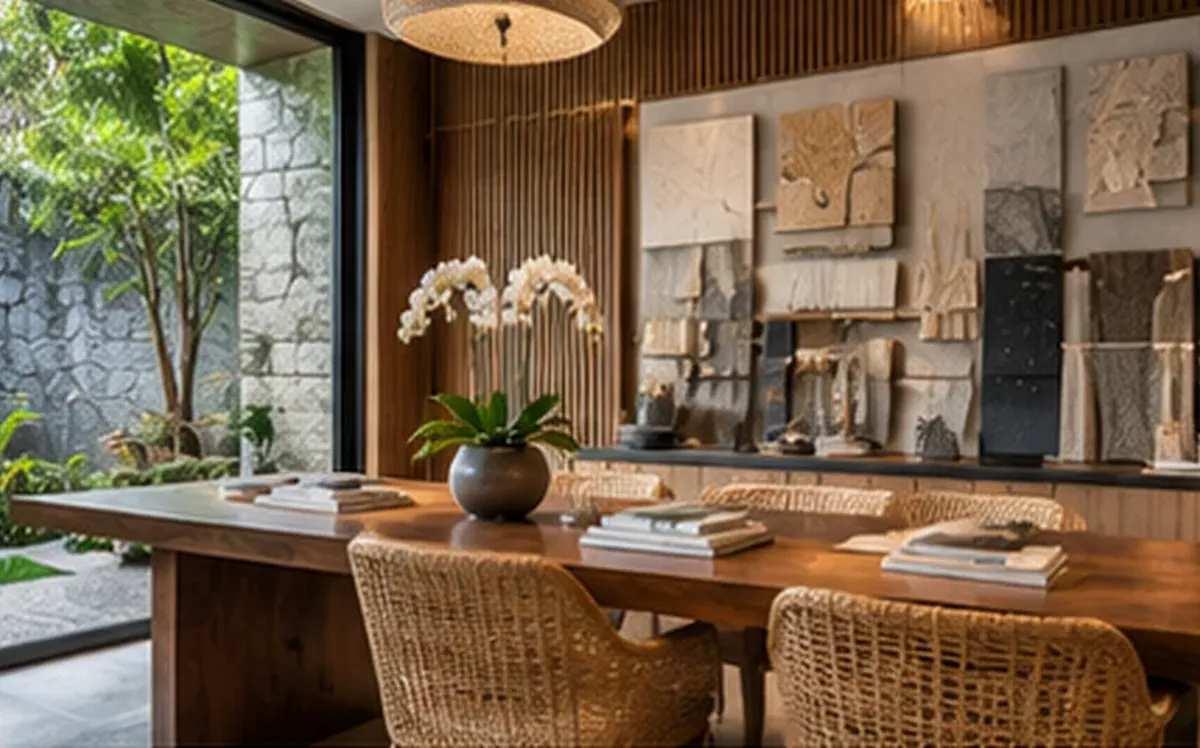
Build a material narrative using limited, purposeful choices. Express identity through colour, furniture, textures, graphics and lighting, while keeping chairs comfortable and staff circulation clear. Specify edge protection, stain resistance and repair options in areas subject to heavy wear.
How to coordinate the work
Prototype a table setting and representative material junction before large orders. Work with fabricators on repeatable details and create a maintenance manual for the finished venue. Verify signage placement and any landlord constraints early.
Risks worth resolving early
A striking wall does not compensate for uncomfortable seats or damaged tabletops. Avoid unverified sustainability claims or materials that are impossible to repair locally. Brand distinctiveness comes from coherent operations and details, not ornament alone.
What to request before moving forward
Use the following items as a starting point for a project-specific review; add authority, operator and specialist requirements where appropriate.
- Brand and guest-experience brief
- materials palette
- seating prototype
- signage schedule and maintenance instructions.
Frequently asked questions
What is the first step for from brand story to durable materials?
Start with a written brief, measured site information and a clear decision-maker. For a Surabaya project, confirm existing conditions and building requirements before any detailed specification or construction commitment.
How can a client reduce risk with from brand story to durable materials?
Compare an agreed scope with documented drawings, approved physical samples, procurement dates and a change-control procedure. Ask specialists to verify building services, safety and permits where applicable instead of relying on design visuals alone.
The next practical step
For restaurant owners and operators creating dining environments, a useful next step is to turn this guidance into a short written brief. Share existing drawings and photographs, explain the users and operating goals, and ask the design team to identify unknowns before a fee or construction commitment is treated as final. A credible proposal should show what will be delivered, who approves it and how the project will be checked.
Related search intent: restaurant interior design company in surabaya. This guide is intended to inform the brief and does not replace qualified technical or regulatory advice.