For restaurant owners and operators creating dining environments, the priority is acoustics and lighting that work with a clear brief, workable details and an agreed review process. Start with the actual site and users, then confirm deliverables before committing to execution.
For restaurant owners and operators creating dining environments, the priority is acoustics and lighting that work with a clear brief, workable details and an agreed review process. Start with the actual site and users, then confirm deliverables before committing to execution. This guide discusses acoustics and lighting that work in the context of Surabaya, including what the client should prepare, which decisions need collaboration and how to assess the outcome before approving the next stage.
Start with the real project brief
Atmosphere is not just decorative lighting. Speech clarity, perceived privacy and visual comfort shape how long diners enjoy a meal. A restaurant with stone, glass and exposed concrete can become uncomfortably loud when the space fills, even if it sounds quiet during an empty-site visit.
What to evaluate before choosing a direction
Identify the desired dining character and changes between lunch and dinner. Map noise sources from kitchens, music, coffee equipment and hard surfaces. Review daylight glare at tables and whether service staff can read menus and identify food safely.
Practical design decisions for Surabaya
Use a coordinated mix of indirect, table-level and task lighting. Introduce appropriate acoustic absorption through ceilings, upholstery and other maintainable elements where feasible. Choose fixtures and fittings for cleaning and replacement rather than short-lived visual novelty.
How to coordinate the work
Coordinate lighting scenes and music levels with operators, then test at realistic occupancy. Keep kitchens and service stations sufficiently illuminated for work while maintaining a warmer mood in the dining area. Review any local technical requirements with competent specialists.
Risks worth resolving early
Too-dark interiors can undermine safety and menu readability. Excessive music volume cannot fix poor room acoustics. Avoid treating every glowing feature as essential when it increases maintenance without helping the guest experience.
What to request before moving forward
Use the following items as a starting point for a project-specific review; add authority, operator and specialist requirements where appropriate.
- Lighting hierarchy
- acoustic treatment concept
- equipment noise review
- scene-setting schedule and operating checklist.
Frequently asked questions
What is the first step for acoustics and lighting that work?
Start with a written brief, measured site information and a clear decision-maker. For a Surabaya project, confirm existing conditions and building requirements before any detailed specification or construction commitment.
How can a client reduce risk with acoustics and lighting that work?
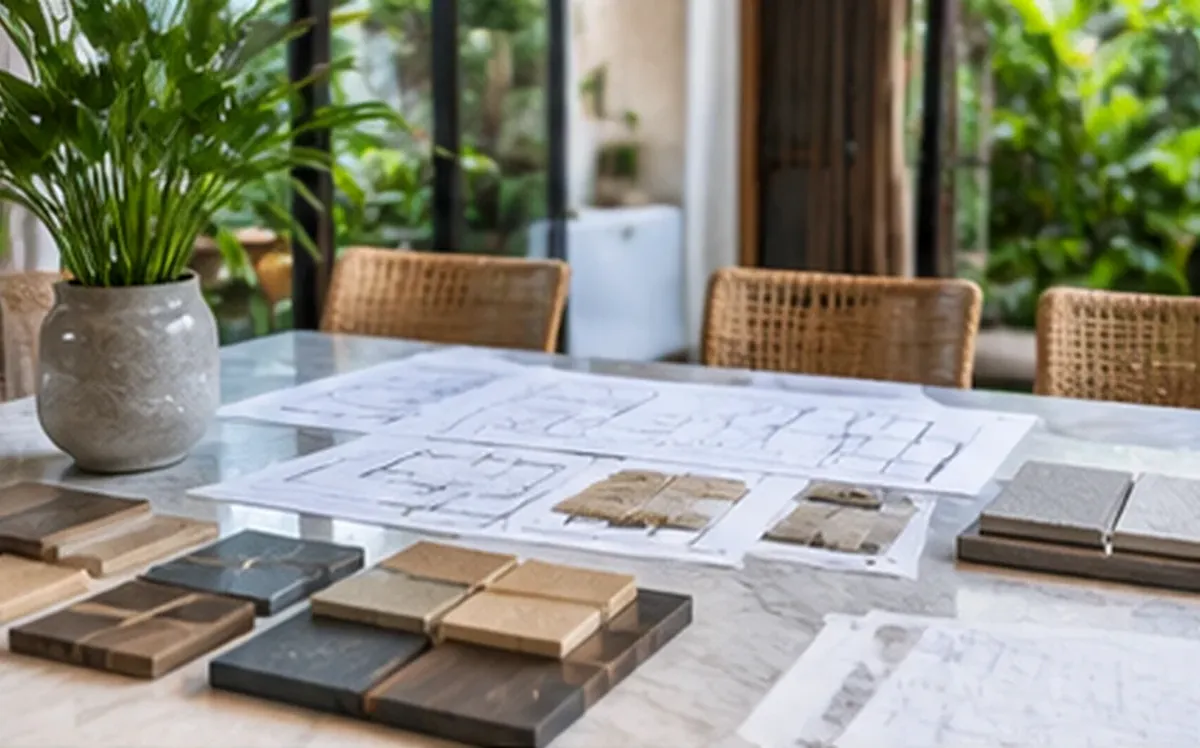
Compare an agreed scope with documented drawings, approved physical samples, procurement dates and a change-control procedure. Ask specialists to verify building services, safety and permits where applicable instead of relying on design visuals alone.
The next practical step
For restaurant owners and operators creating dining environments, a useful next step is to turn this guidance into a short written brief. Share existing drawings and photographs, explain the users and operating goals, and ask the design team to identify unknowns before a fee or construction commitment is treated as final. A credible proposal should show what will be delivered, who approves it and how the project will be checked.
Related search intent: restaurant interior design company in surabaya. This guide is intended to inform the brief and does not replace qualified technical or regulatory advice.